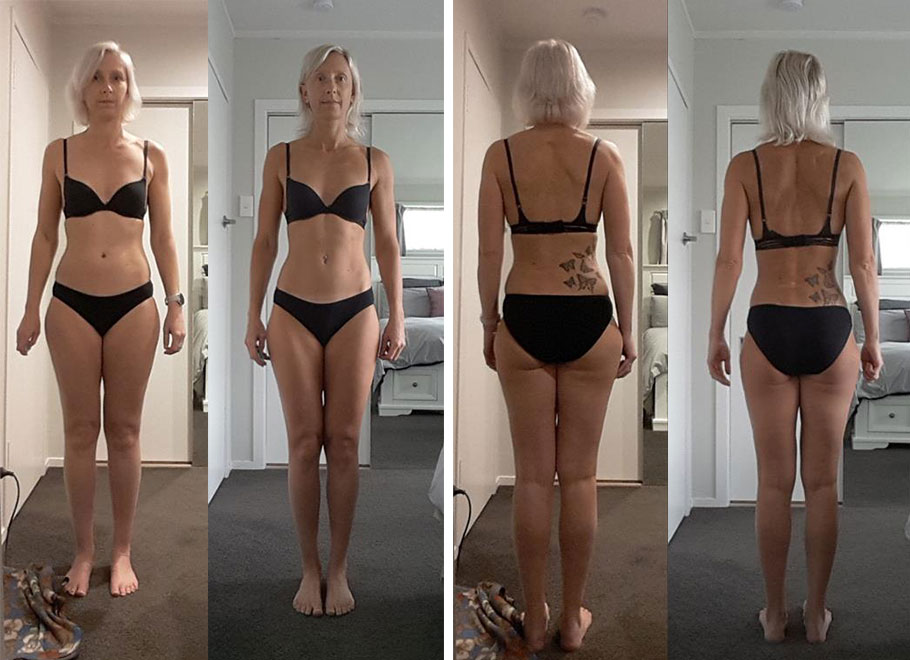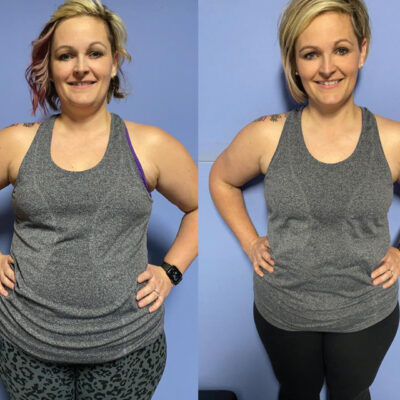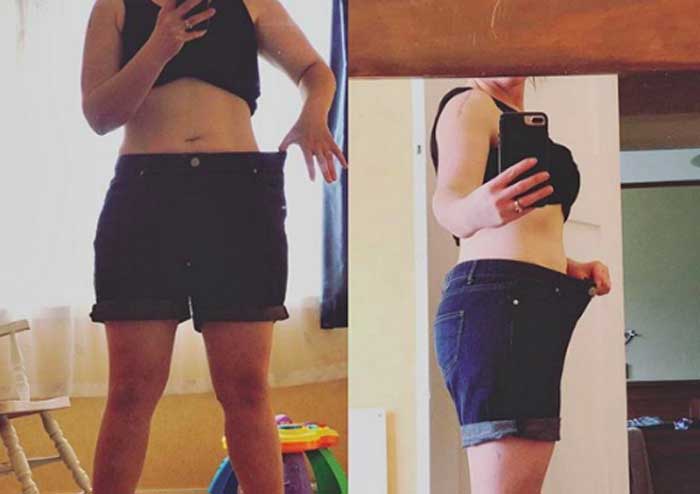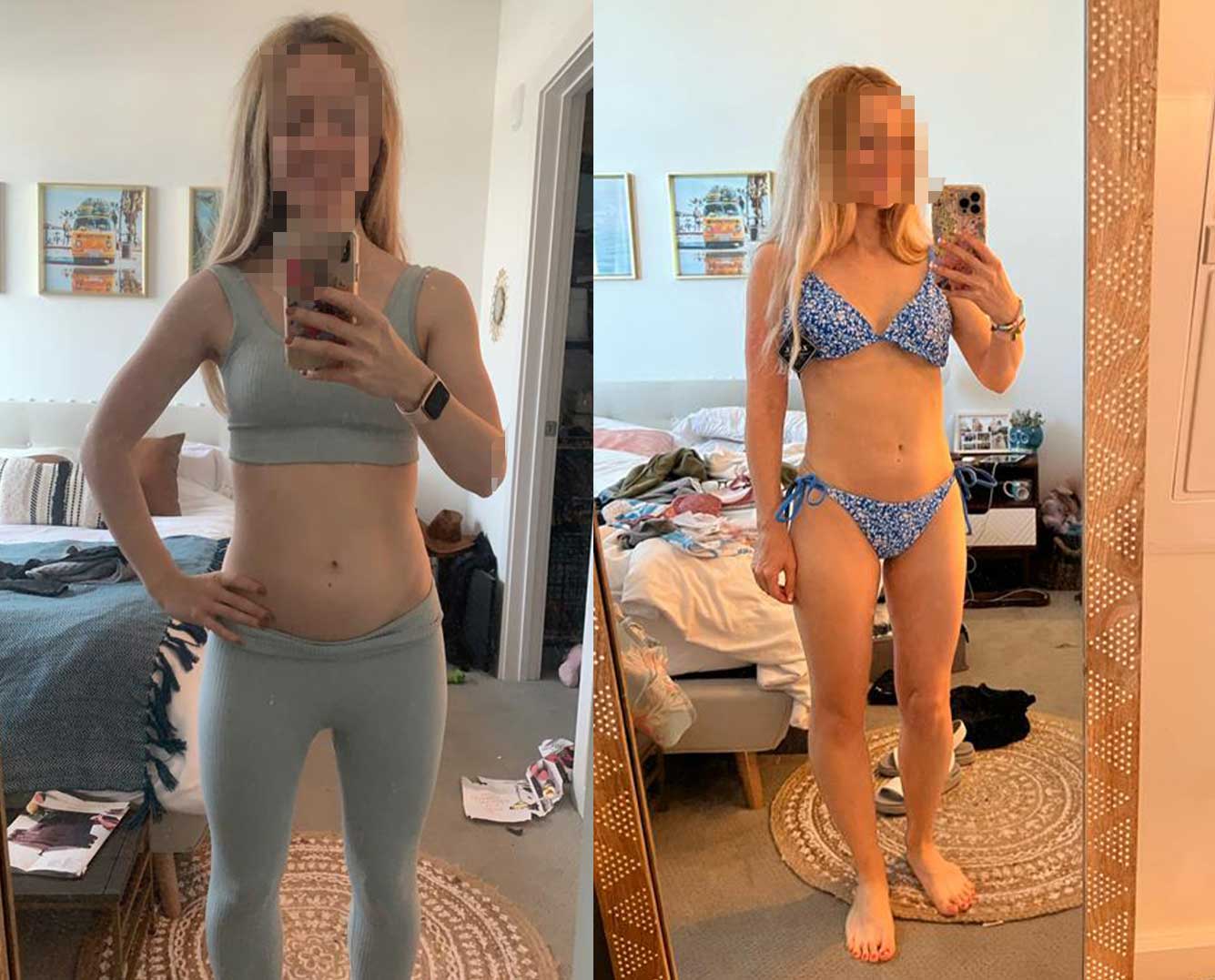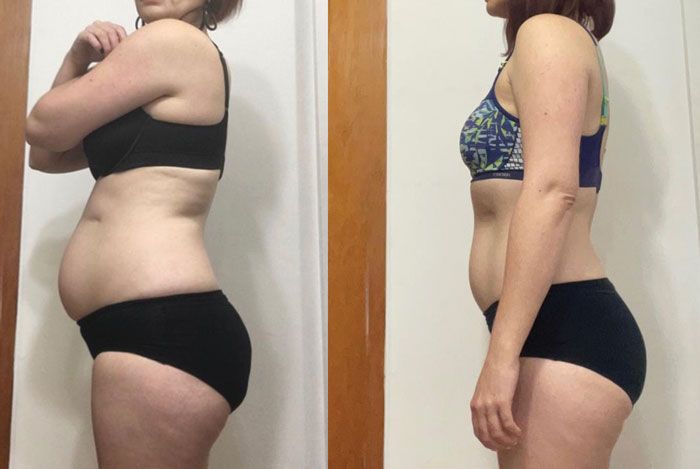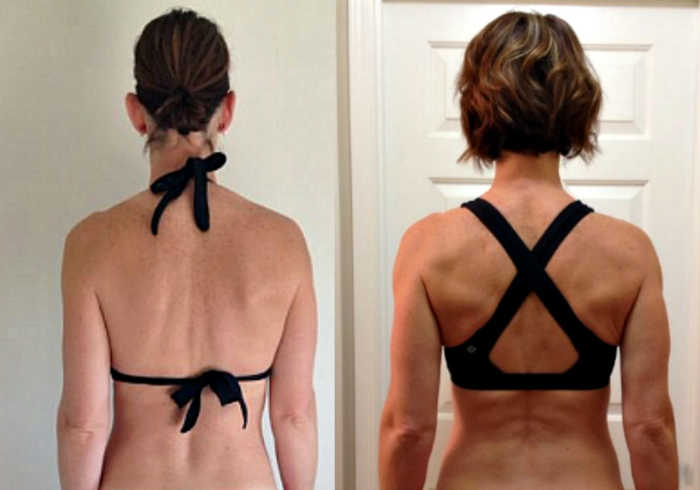

You’re Working Hard. So Why Isn’t Your Body Changing?
You’ve been working out consistently, trying to eat well, and getting your steps in.
So why hasn’t your body changed?
It’s one of the most common questions I hear from women over 40, and the answer is rarely that you’re not working hard enough.
More often, it’s because your training isn’t designed to build the shape you’re looking for.
Many exercise programs will improve your fitness, cardiovascular health and strength, but if your goal is to build a leaner, more sculpted physique, your training needs to be much more specific.
The good news is that changing your physique isn’t random. It’s based on principles from exercise science that explain how muscles grow and adapt to training. These are the same principles many of your favourite fitness influencers, models and actresses use to shape their physiques. They’re just rarely explained in a way that helps everyday women apply them to their own training.
In this article, I’ll walk you through the four key pillars I used to transform my own physique after years of struggling to see changes, and that I now use with my coaching clients to help them build shape in a strategic way. By the end, you’ll understand how to apply these principles to your own training so you can start feeling more in control of your results.
Why Building Shape Is Different From Getting Fit
When I first started training in my twenties, I spent years working hard without seeing significant changes in my physique. I’d look around the gym and wonder why some women looked lean, athletic and muscular while my own body barely seemed to change.
Everything changed when I learned how muscles actually grow and how to structure my training to support that process. Nutrition was also a big piece of the puzzle because I wasn’t eating enough protein or calories to support muscle growth.
Now, before you start picturing bodybuilders and big muscular women, let me reassure you that’s not what we’re talking about here. Building a lean, sculpted physique is very different from trying to build as much muscle as possible.
The main point is that many women spend years doing workouts that improve their fitness without ever changing their shape.
Things like follow-along workouts, cardio, randomly lifting weights at the gym, or even strength programs built primarily around compound lifts can all improve your fitness and make you stronger. But if your goal is to build rounder shoulders, better posture, shapelier glutes, or firmer arms, they often don’t provide enough targeted work for specific muscles and areas you want to change.
Of course, we all have different body shapes and genetics. Training won’t change your bone structure or where your body naturally stores fat. But there is so much potential within your body and your natural shape that could be enhanced through a proper, targeted training program.
One of the comments I hear most often from my coaching clients is, “This is the first time anything has actually worked for me.” When you finally start using the right strategy and structure in your training not only is it a big relief from the frustration you might be feeling now about your body, but it can also make training so much more enjoyable.
So let’s talk about what it looks like.
Here’s the video version, if you’d rather watch than read. In it, I walk through each of the four pillars in more depth and help you understand how to apply this in your own training.
The 4 Pillars of Building Shape

Pillar 1: Assessment – Know What You’re Trying to Build
We plan for most important things in our lives, like our career, our families, our homes, but we usually don’t plan for our physique. Yet our bodies, including not just our shape but our health, strength and vitality, also need clear strategy and direction or we often end up frustrated and nowhere near where we want to be.
So this first step is all about creating a plan for the shape you want to build. What are you actually wanting to achieve?
And I’m not talking about goals like:
- lose weight
- tone up
- get fit
Those goals are fine but they’re not clear enough to build an effective program.
I encourage women to view their body like a blank canvas.
Ask yourself:
- Where would I like more muscle?
- Which areas would benefit from better shape?
- Which muscles don’t need additional size?
- What would help create better balance?
This isn’t about criticising your body or focusing on what you perceive to be flaws. It’s about understanding what you’re working with so you can make smarter training decisions.
One of the biggest challenges to successfully completing this first step is that many women don’t fully understand their natural body shape.
If you aren’t sure what your natural body type is, you can take my free Body Type Quiz, which helps identify your natural proportions and explains where your training is likely to have the biggest impact. Once you understand your natural shape, it’s much easier to know what strategies will actually work for you. When you complete the Quiz, you’ll be able to download a detailed PDF with your results.
This is the same process I use in my online training programs. We start by assessing your body and your goals, then build a program around your body type and what’s actually possible for you.
Pillar 2: Training Volume – Give Your Muscles Enough Work
Once you know what you’re trying to build, the next question becomes:
Are you giving those muscles enough work to actually respond and change?
This is where training volume becomes important. Training volume refers to the total amount of work you perform for a muscle group each week. Research on hypertrophy consistently shows that muscles need enough weekly volume to stimulate muscle growth.
For many women, around 10 quality sets per muscle group each week is a good starting point.
Some muscles may need more depending on:
- your training experience
- your recovery
- your genetics
- your goals
For example, if you’re trying to improve your triceps, randomly training them with one or two sets occasionally won’t be enough. And if you’ve got more short term goals, like an upcoming wedding, you likely will need to prioritize areas you want to improve, which may mean training them even more than once per week.
So remember, if you haven’t been seeing changes one reason may be that you haven’t been doing enough targeted, quality work, consistently over time, for those muscles and areas to change. That’s what creates the firmer, more defined look most women are aiming for.
This is one reason many general fitness classes, random online workouts, or programs focused primarily on compound lifts don’t always produce the physique you want. They simply don’t provide enough targeted, quality work for the specific muscles you’re trying to improve.
Pillar 3: Exercise Selection – Choose Exercises That Match Your Goals
Not all exercises may suit your goals and some are more effective at building shape where most women want it, so exercise selection is very important.
If your goal is fuller glutes, for example, you need exercises that collectively train all portions of the glute muscles. You can’t just rely on one or two exercises and expect your glutes to change.
Similarly, if your goal is creating more shoulder shape, you need to be strategic with exercise selection. Your shoulders are made up of three heads, and ideally your program should include exercises that target all of them. Not only will this create rounder, fuller shoulders but it will also help maintain healthy, balanced shoulder function and good posture.
Exercise selection isn’t just about building muscle. It’s also about where you build it. Some exercises may develop areas that don’t align with your goals. And this is where it gets really tricky because most trainers, and especially influencers on social media, don’t think about exercises at this level.
This is one of the biggest mistakes women make. They find someone on Instagram or YouTube with a physique they admire and assume copying their workouts will produce the same result. But that person has a different body shape, different genetics, different strengths and often completely different goals.
That’s why your program should be built around your body and your goals, not somebody else’s. And ideally by a coach who understands what you want to build.
Think of it like interior design.
You can copy the exact furniture, colours and décor from someone else’s home, but if your room has different lighting, proportions or existing features, it won’t necessarily look the same.
Your body works much the same way. We all have different proportions, muscle insertions and natural body shapes. Learning which exercises help create the shape you want is far more effective than copying what works for someone else.
Of course, it’s also about longevity. The best exercise isn’t necessarily the most advanced or has you lifting the heaviest weights. It’s the one that effectively trains the target muscle while allowing you to stay healthy enough to train consistently for years.
Pillar 4: Execution – Make Every Set Count
Even the perfect program won’t produce great results if you don’t perform the exercises well.
Execution is about much more than simply moving the weight.
It includes:
- good technique
- controlling the movement
- creating mechanical tension
- developing a strong mind-muscle connection
- progressively challenging the muscles over time
Especially if you are just starting out, these things can take time to develop. They are things everyone should alway be working on improving — and honestly I think this makes training so appealing. Not only are you building physical strength but mental resilience and a new skillset as well. It’s very satisfying!
Now, good form should always come first. But once technique is solid, progressive overload is essential if you want your body to continue adapting. One of the biggest mistakes I see, especially with women who have trained for years, is underestimating how strong they really are so be sure you are challenging yourself in a safe way.
Regardless of your training experience, my online training programs will help you refine and develop these things as every exercise includes detailed coaching notes, technique cues and recommended tempo. Tempo is one of the best ways to improve your execution. By simply slowing down your movements, you’ll connect more with the muscles you want to work, and you’ll be safer too.
For women wanting even more guidance, this is where my online personal training sessions can make a huge difference. We’ll work together to make adjustments to your technique, improve execution, and ensure that you are training at the right intensity so that you get even better results.
Building Shape Isn’t Random
If there’s one thing I hope you take away from this article, it’s this:
Building shape isn’t random.
It isn’t about finding the perfect workout, the latest fitness trend or copying what someone else is doing.
It’s about understanding your own body and following a program that’s designed around the shape you’re trying to build.
Reading about these principles is a great first step, but applying them to your own training is where the real transformation happens.
I’d love to help with that so a great next step is to learn more about my online training programs. Most women love the structure — and the results — and I’m sure you will too!

Not sure where to start?
A program that actually works for women over 40
Join thousands of women who have used Female Fitness Systems to build strength, improve body composition and feel more confident in midlife.
✓ Protein and nutrition made simple
✓ Fat loss strategies for midlife women