
Getting Older Sucks
But there’s something special about being over 40…
If you are in your 40s you probably think your best days are past — at least as far as your body is concerned. You are seeing more wrinkles, cellulite and sagging skin than ever before. Your energy, mood and hormones are probably also all over the place.
Welcome to your 40s.
My partner told me I was beautiful the other day. Instead of feeling happy, I thought to myself, “I won’t be hearing that for much longer…”
So believe me, I know how you feel. Getting older sucks. Don’t get me wrong — women over 40 can still be incredibly vibrant and attractive but if you are watching your youth fade away you know what I mean.
But let me tell you a little secret about being 40-something that’s going to make you feel better. A glimmer of hope if you are willing to grab it.
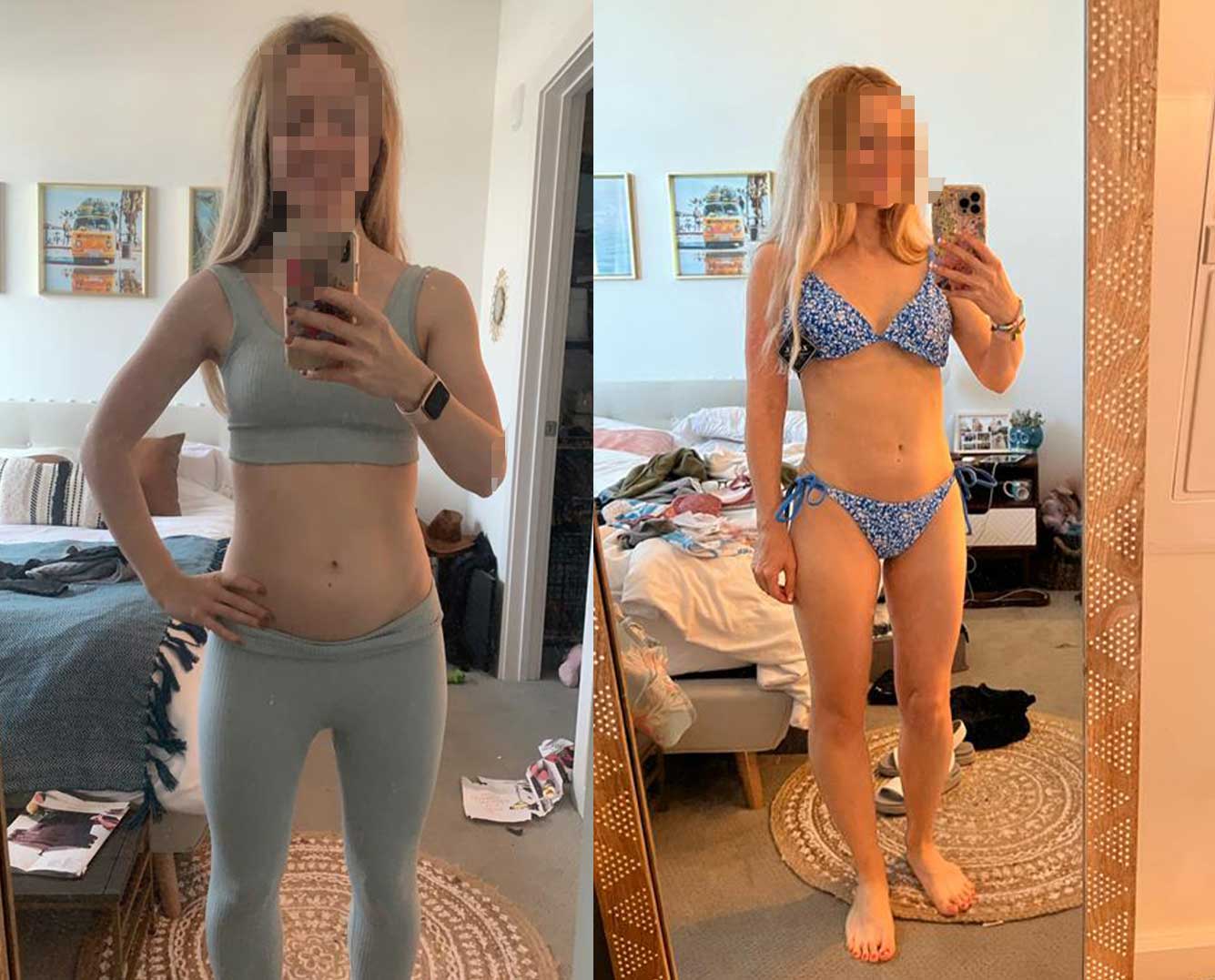
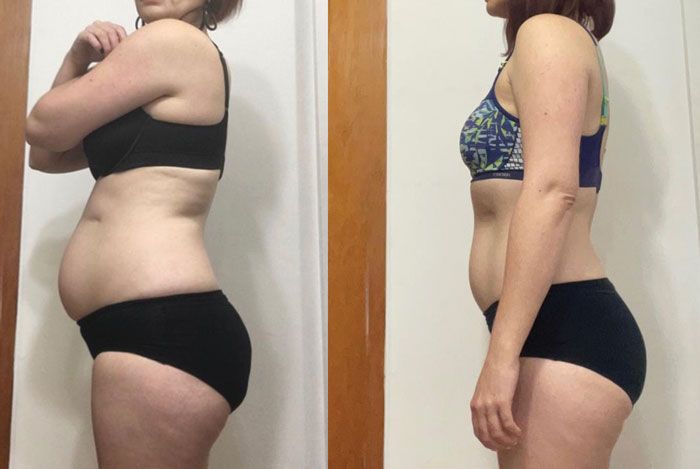
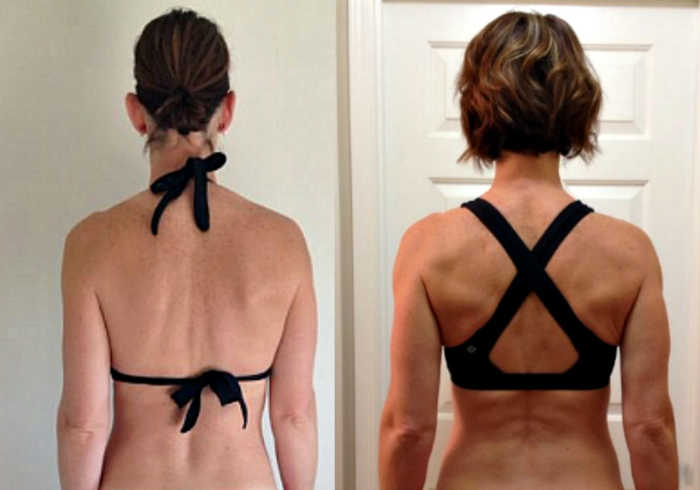
Women in their 40s have the best transformations.
You see, in your 40s, you have more time and resources to invest in yourself. In your 20s, your lifestyle didn’t support major transformations and your budget likely didn’t allow you to hire a coach. In your 30s you were probably too busy with kids or career (or both).
This is your time.
While we can’t do much about the wrinkles, we can do a lot about the other changes. In your 40s it’s completely possible to have a better body than the average 20-something. You can also have dramatic improvements in strength, health, energy and confidence.
For the last decade, I’ve been helping women have major transformations at all ages and I want to help you change not only your body, but the trajectory of your life. So I’ve put absolutely everything you need to know to get started in this Ultimate Guide. First we’ll cover how you should be training in your 40s, and then we’ll cover nutrition.
You really can be the strongest, healthiest version of yourself in your 40s so let’s do this!

Not sure where to start?
A program that actually works for women over 40
Join thousands of women who have used Female Fitness Systems to build strength, improve body composition and feel more confident in midlife.
✓ Protein and nutrition made simple
✓ Fat loss strategies for midlife women
It’s actually not that hard…
Before we get into it, I also want to let you know that while this does require work — it’s not actually that hard. If it feels hard right now it’s because you’ve been doing the wrong things.
As you’ll learn later in this blog post, everyone, even myself, does the wrong things at the start. You won’t get results until you start doing the right things, and it’s really confusing because everyone is telling you to do something different.
Why listen to me? I’ve been coaching women for well over a decade now, in person and online. We don’t do extreme diets or follow the latest trends. No crazy workouts. Women over 40 get better results from a smarter, more sustainable approach to training. We follow the science and what actually gets results in practice.
Most women need some coaching to get this all sorted. And that’s where my strength training programs for women over 40 come in. There are many testimonials from women, just like you, on this website, but here’s a quick summary from Olivia if you want to learn more:
How To Train After 40
Train like you are in your 40s, not your 20s
You already know that you need an exercise routine that takes into consideration the changes you are experiencing. That’s why you are here. Your primary focus at this stage of life should be building and retaining strength, but most women want to work on shape too. The good news is we can do both with the right strategy. Here’s what to focus on:
1. Posture should be a priority.
Many of us spend too much time sitting, driving, working at a computer, or looking down at our phones. Over time, this can lead to rounded shoulders, poor posture, stiffness, and many of the aches and pains we often associate with aging.
That’s why in my programs we place a strong emphasis on strengthening the upper back, shoulders, and postural muscles. Many women are surprised to find that long-standing neck, shoulder, and back pain improves significantly once they begin my programs.
Shoulder problems are also very common as we age – in part due to declining estrogen and its impact on our tendons. When you train for better posture, you also work all the shoulder stabilizer muscles and help to keep your joints healthy and mobile.
Of course, there are aesthetic benefits too. Better posture makes you look stronger, more confident, and more youthful. The back is an area that tends to shape up and show muscle first so it’s always exciting for my clients to see those new muscles.
Here’s an example of a posture-focused, upper body workout:
2. Train strategically to shape your body
Many women assume that if they simply exercise more, their body will automatically take on the shape they want. Unfortunately, it doesn’t work that way.
While activities like walking, HIIT workouts, and fitness classes can be great for health and fitness, they don’t necessarily provide the targeted stimulus needed to reshape specific areas of your body. It’s also why many women don’t get the results they expect from generic follow-along workouts or powerlifting-style programs. Those approaches aren’t always designed with female body-shaping goals in mind.
As we age, most of us don’t want to just build strength. Concerns such as cellulite, loss of muscle tone, a flatter bottom, softer arms, and changes in body composition become increasingly common. The right training program can help you build both strength and shape.
Rather than doing random workouts, every exercise should have a purpose allowing you to focus on areas you want to improve. For example, you may want to build stronger, rounder glutes, create more definition through your shoulders and upper back, strengthen your legs, or improve muscle tone in your arms. It’s all possible but you need a strength training program that uses a more strategic approach to muscle development and improving your overall shape.
3. Your program should be designed with joint health in mind.
I know it’s tempting to hop on the latest workout trends or do workouts off popular free training apps, but the big problem with generic programs is that they don’t distinguish between a 25-year-old, a 45-year-old, and a 65-year-old. They don’t take into account changing hormones, recovery capacity, joint health, injury history, or the goals that many women have during midlife.
As we age, exercise selection becomes increasingly important. Many of the movements you may have done in your 20s are no longer serving you and can sometimes create more wear and tear than benefit.
In my programs, every exercise is chosen for a reason. We focus on movements that build strength, muscle, shape, and bone health while minimizing unnecessary stress on the joints. For example, many of my ladies have knee issues, pelvic floor concerns, or both! In these situations, the high-impact plyometric exercises commonly found in HIIT and follow-along workouts aren’t always the best choice. Even the way I program exercises like lunges is carefully considered, with a preference for variations that are often more knee-friendly and better suited to this stage of life.
Every workout is thoughtfully designed to challenge your body while supporting your joints and recovery. When you think about it, it makes sense to follow a program that’s designed specifically for your 40-something body. You’ll not only get better results, but you’ll be doing it in a way that helps keep your body strong, healthy, and capable for years to come.
Here’s an example of how we can target trouble areas and build shape while looking after your joints at the same time:
Why A Strength Training Program For Women Over 40 Is Non-Negotiable
When I was in my 20s, I can remember going to the gym and seeing this lady who was probably at least 10 years older than me who looked like she had stepped off the cover of Oxygen. I always thought she had some secret and likely great genetics. The difference was I spent all my time on the treadmill and in group fitness classes – whereas she spent all her time in the weight room.
I only figured this out when I invested in my first personal trainer in my 30s. I learned how to lift weights properly and I followed a good program. And that’s when I had my major transformation. It wasn’t super difficult either. Up until that time I had just been doing the wrong things.
If you are struggling or if you can’t get the body you want, then you are doing the wrong things.
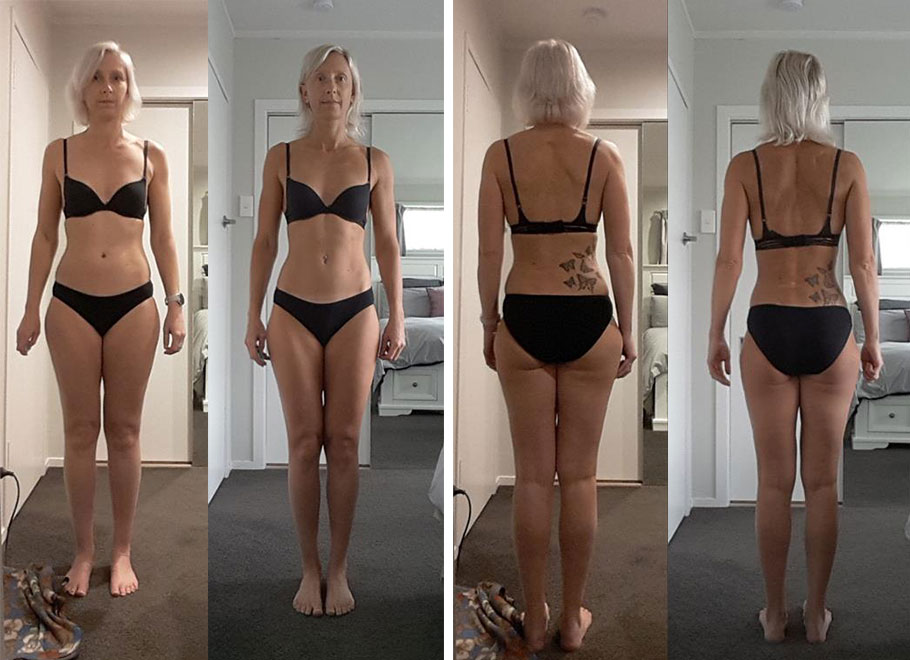
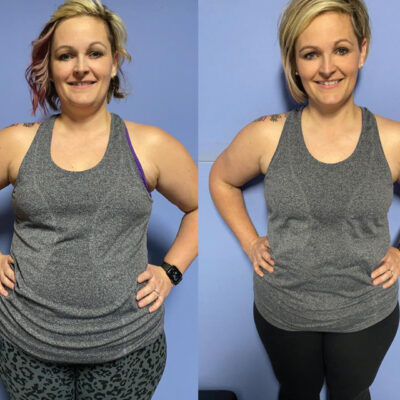
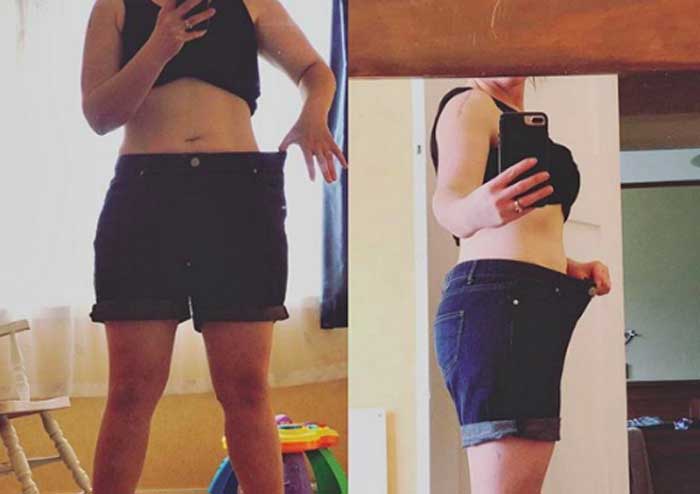
In fact, the main reason women seek me out as a coach is that they haven’t been getting results. These women often have great transformations from simply starting a properly designed weight lifting program. If you want to see how incredible your transformation can be when you start lifting weights, check out my client’s photos below.

Weight lifting is the right choice at your age and should be your main focus. That’s because a properly designed program can target typical problem areas in ways that other styles of training don’t. Think of this style of training as “functional body sculpting.” It’s “functional” because we focus on things like building strength, balance, mobility and improving joint health. But, at the same time, we also want to shape our bodies and target trouble areas – that’s where the “body sculpting” comes in. And the good news is you can do both at once!
Finally, in our 40s our hormones can be all over the place and we can become more “stress sensitive.” Focusing on weight loss, extreme diets and lots of cardio will only increase cortisol and make you look and feel worse. Weight training and some relaxing cardio like walking or biking outside is often a more effective combo in your 40s. Of course, you also need to dial in your nutrition but we’ll talk about that in the next section.
How To Set Up Your Strength Training Program After 40
You don’t have to train everyday. Many of my women train three days per week with express workouts; others train five days per week with full workouts. The most important thing is that your program feels sustainable. If you want to target certain areas, it can be helpful to train 4-5 days per week so you can get the required volume to actually make changes.
Let’s talk about how to structure your week. Let me introduce you to the idea of a “training split.” In training, this simply means how you split up your workouts, usually in a weekly cycle, based on specific muscle groups. The reason we have days focusing on a specific muscle group, such as your back, is that you need enough stimulus to strengthen and develop those muscles in that session. Otherwise, you can strengthen but it’s harder to get the “sculpting” effect.
Here’s an example of a workout week:
Sunday: Lower body, glute dominant
Monday: Shoulders and posture
Tuesday: Off
Wednesday: Back (sometimes with extra glute work and back work always improves posture)
Thursday: Triceps and biceps
Friday: Lower body, glute dominant – sometimes posture work thrown in
Saturday: Off
This is a simplification but it demonstrates how I structure a typical workout calendar. For example, if someone wants to train 4 days per week, I will give them 2 upper and 2 lower focused days – however, that mix is always varied. For example, in my programs, I will usually mix in some full body workouts focused on things like improving tendon health and balance, core work, and bone density.
While it’s important not to overdo exercise in your 40s, those “off” days can be used for longer cardio sessions, sports or activities like group classes. You can also do some cardio on weight training days.
Don’t worry if this is all confusing – I take care of everything for you if you sign up for my programs!
Don’t forget to assess and adjust — most women miss this!
It’s important to assess your body and your progress, then adjust your training accordingly.
When I first started strength training, I ended up with a physique that wasn’t quite what I wanted. I trusted that my trainer’s program would automatically build the shape I was looking for, but after a couple of years I stepped back and realized that wasn’t the case.
That experience led me to spend years learning how different training approaches influence the way the body develops. Over time, I learned how to assess my physique, identify areas I wanted to improve, and make small adjustments to my training to create a more balanced shape.
This ongoing assessment and adjustment is often missing when you’re following workouts from an app, attending group fitness classes, or using generic training programs. Think of your body as a work in progress. Rather than chasing weight loss alone, you’re continually building strength, improving function, and shaping your physique over time. In my experience, this approach makes training far more enjoyable and sustainable.
However, this isn’t about being critical of yourself or obsessing over perceived flaws. Having worked with women for more than a decade, I’ve learned that most of us are not the best judges of our own progress. We tend to focus on what hasn’t changed rather than what has. Many women also don’t fully understand their natural body structure and what’s realistically achievable for their body type.
This is where coaching can be incredibly valuable. A good coach provides objective feedback, helps you set realistic expectations, and makes the small adjustments that keep you moving toward your goals.
You can also learn more about your Body Type, the best training style for you, and setting realistic goals, with my Free Body Type quiz.
One of the biggest mistakes I see women make is changing programs too often or not sticking with a plan long enough to see meaningful results. All of the transformation photos you see on this website happened over 6–12 months, not 8 weeks. You’ll often notice positive changes within the first couple of months, but significant transformations take time despite what social media might suggest.
Once you find the right program, major overhauls are rarely necessary. More often, it’s a matter of making small adjustments along the way, such as increasing or decreasing training volume for specific muscle groups. The real key is finding a program you enjoy and can stick with long-term, because consistency is what ultimately creates lasting results.
Sorting Out Your Over 40 Nutrition
Why You Aren’t Getting Results
What you eat has a powerful impact on how you age, how you feel, and how your body changes over time. But before we talk about healthy aging, let’s talk about why you may not be getting the results you want. After coaching women for more than a decade, I’ve found that most women struggle for one (or more) of the following reasons:
-They don’t have a clear understanding of how much they’re actually eating.
-They’re not eating enough protein to support muscle, recovery, and healthy aging.
-They don’t have a consistent system for managing their nutrition.
-They haven’t found a way to balance healthy eating with real life.
The good news is that none of these problems are unique to women over 40, and they can all be solved.
One thing I do want to address is the idea that weight gain in midlife is completely out of your control. Hormonal changes can absolutely affect hunger, appetite, energy levels, recovery, and where you tend to store body fat. They can make the process more challenging, but they don’t make it impossible.
The women you see achieving amazing transformations in their 40s, 50s, and beyond aren’t relying on willpower or perfection. They simply have a good plan, follow it consistently, and make adjustments when needed.
If you’re not getting results, the solution is usually more structure, not more restriction. And a good starting point is calories and protein.
Start here:
Calories in need to be less than calories out.
If you’re not getting results, you need some kind of structure. That means consistently counting your calories with an app or following a calorie-controlled meal plan. Why? Because “winging it” doesn’t work. If you’re not tracking something, how can you expect to change it? And if you don’t have accountability, you’ll keep spinning your wheels and feeling frustrated.
Almost every woman I’ve worked with who starts tracking consistently loses weight. Yes, you may have to work a bit harder now that you are older, but it’s completely possible for you to get results too.
Finding Your Balance With Nutrition In Your 40s
One of the biggest challenges in your 40s is consistency. You’re probably enjoying more meals out, more holidays, and more social events than you did in your 20s – and you shouldn’t have to give that up.
Yes, you deserve to enjoy your life. But if you are constantly dissatisfied with your body, your energy, or your health, you’re not truly happy either.
So there is a balance to be found. You don’t have to give up wine or your social life – but you need some strategies and accountability to keep yourself on track with your nutrition as well. (Note: If you consume alcohol most days, you will likely need to change that habit to get results.)
If you are struggling with finding that balance, I’ve helped so many women like you. In my programs, I don’t ask you to give up your lifestyle. One of my jobs as a coach is to help you decide what your priorities are and how to enjoy life while still making progress. In fact, many women are surprised by how much they get to eat when doing my programs!
Forget Wrinkle Cream If You Aren’t Eating Well
What you eat affects how you age – inside and out. While you can’t erase every wrinkle, you can absolutely influence how you age. This is a huge topic on its own, but here’s what I want you to remember: any diet you follow should also support longevity.
Most meal plans out there focus only on weight loss or muscle gain. They rarely consider healthy aging, muscle preservation, bone health, energy levels, or how your nutritional needs change over time.
I’ve helped women reduce pain, improve energy and ease mood swings in their 40s through simple changes to their nutrition. And yes – carbs can help with energy and mood in midlife. So be wary of any diet that tries to cut them out entirely.
The good news? I’ve spent years building a plan that works: for body composition, energy and longevity. It’s not about cutting out the foods you love – it’s about learning how to eat in a way that supports your body and your life.
This is your time. Don’t miss out.
Before you start any program, ask yourself:
Is this designed for where I’m at in life?
By now, you’ve probably realized that getting great results in your 40s isn’t about working harder. It’s about having the right strategy.
A program that helps you build strength, maintain muscle, support your joints and bones, improve your body composition and shape, and fit your lifestyle is going to take you much further than another generic workout plan.
That’s exactly what I’ve spent the last decade helping women do.
This is your time. You can absolutely build the strongest, healthiest, and most confident version of yourself in your 40s and beyond. I’ve helped women at all stages of life do exactly that, and I’d love to help you too.
Give yourself the opportunity to see what’s possible.
Learn more about starting your own Transformation Program here.

Frequently Asked Strength Training Questions
What is the best strength training program for women over 40?
The best program is one designed specifically for your body at this stage of life. It should prioritise posture, joint health, muscle preservation, and improving shape and tone. My Over 40 Transformation Program does exactly that, with 8-week structured strength training programs, a nutrition plan and ongoing coaching built in.
How many days a week should women over 40 strength train?
Three to five days per week is ideal. Three days will build strength and improve your shape; four to five days will get you there faster and is better for targeting trouble areas. Sessions don’t need to be long – 30-45 minutes of focused work is plenty.
Can women over 40 really transform their bodies?
Yes, and often more dramatically than women in their 20s. You have more time, resources and discipline to invest in yourself. With the right strength training program, significant changes in body composition are absolutely achievable.
POPULAR ARTICLES & RESOURCES:
What Causes Bulky Legs? Why Some Women Build Muscle Easily
What’s Actually Going On With Belly Fat After 40
Body Type Quiz – How To Train For Your Natural Shape